
Wild Mania Safaris-Uganda Safaris, Uganda Tour Packages , Uganda Safaris
The biggest medical threat to visitors to Rwanda is malaria, with the risk of transmission being greatest at lower altitudes and during the rainy season. A variety of oral prophylactics against malaria is available, so before you travel, you should seek up-to-date advice about the most suitable option from a travel clinic or doctor. No...Read More
Go for fully comprehensive medical travel insurance, inclusive of air evacuation where required. Read the small print before you sign, in the knowledge that many policies will not cover injuries sustained during recreational activities deemed to be hazardous, or in areas subject to travel warnings by the British FCO or US state department.Read More
Rwanda is free of yellow fever, so no vaccination is required for those coming directly from Europe or North America. However, you may be asked to produce a vaccination certificate if you enter the country from from elsewhere in the yellow fever belt of Africa or South America, a list that includes several neighbouring or...Read More
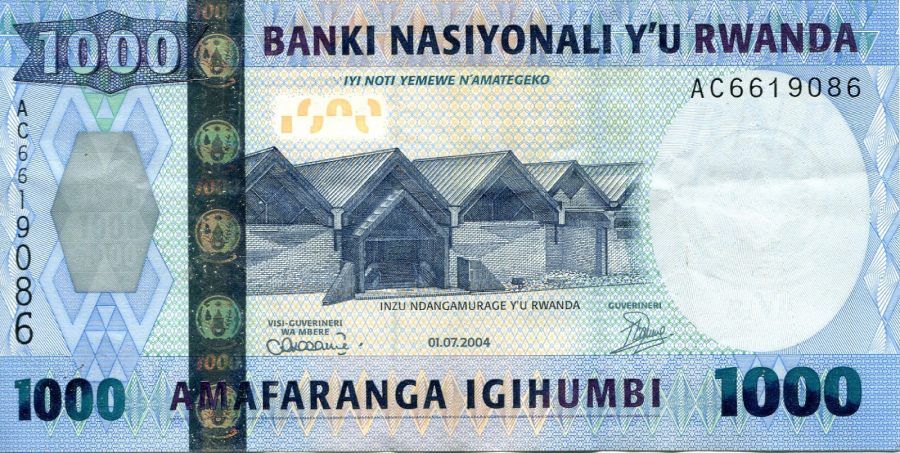
The Rwandan franc (RWF) trades against most international currencies at a favourable rate. Major international credit/debit cards (for instance Master and Visa) can be used to draw local currency at 24-hour ATMs in most cities and towns, but not in the national parks. Many vendors do not accept cards, however, so it’s a good idea...Read More
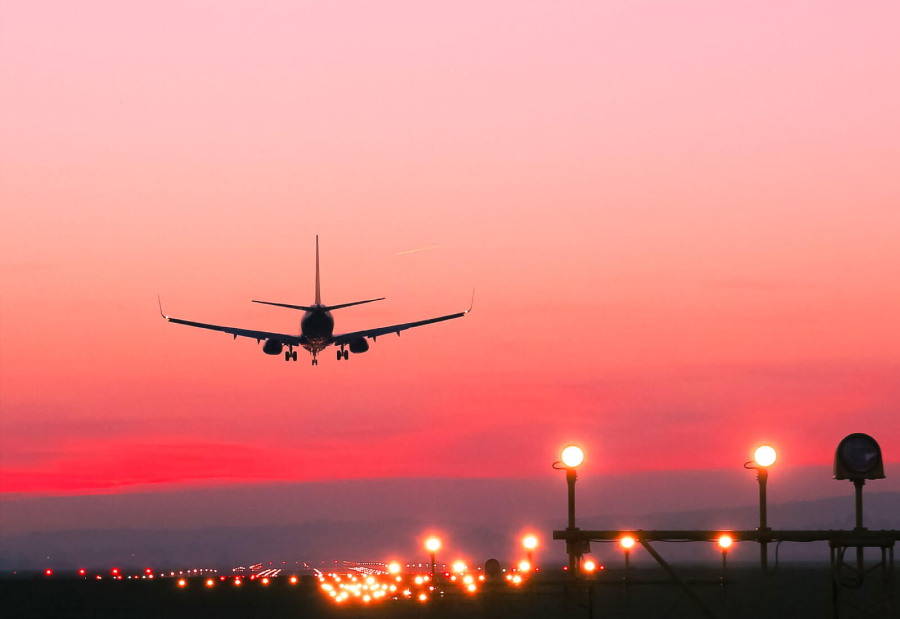
Almost all visitors from abroad fly. All flights currently land at Kibale International Airport, which lies less than 10km from central Kigali. Taxis are available to/from the city centre. Work on the new Bugesera International Airport, 40km south of the capital, commenced in August 2017. The national airline RwandAir operates intercontinental flights connecting Kigali to...Read More
It is highly recommended visitors to Rwanda take anti-malarial drugs. Seek advice a few weeks before you travel to determine the most suitable regime, and bear in mind you may need to start on the course a couple of weeks before you arrive in Rwanda. At the same time, check whether any vaccinations require updating....Read More
All visitors must present a passport upon arrival at their port of entry. This must be valid for at least 6 months after the end of their intended stay, and must have at least one full blank page available for entry and exit stamps. Technically, visitors should also have a return or onward ticket, and...Read More
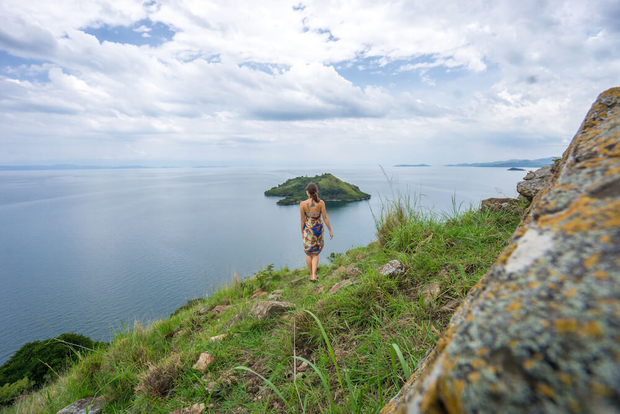
Rwanda is well suited to solo travel. Independent travellers using public transport will find that locals are very friendly and keen to engage in conversation with single foreigners. On more upmarket visits, all the national parks are serviced by the sort of small exclusive tented camps and lodges that encourage interaction between guests and offers...Read More
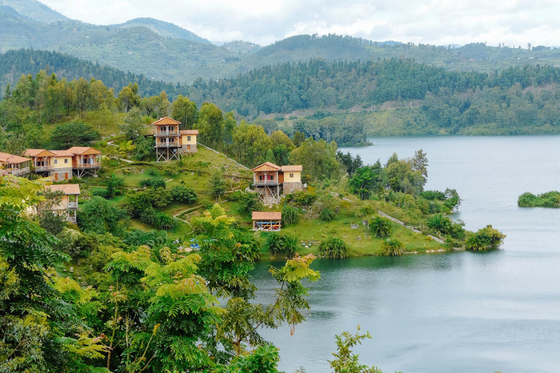
Rwanda is well suited to active couples whose idea of shared quality time entails forest hikes, game drives, engaging in cultural activities, and so on. It is not particularly suited to quiet romantic beach getaways, though lovely Lake Kivu provides a fair substitute for a bona fide beach resort. Highlights The top highlight for couples...Read More
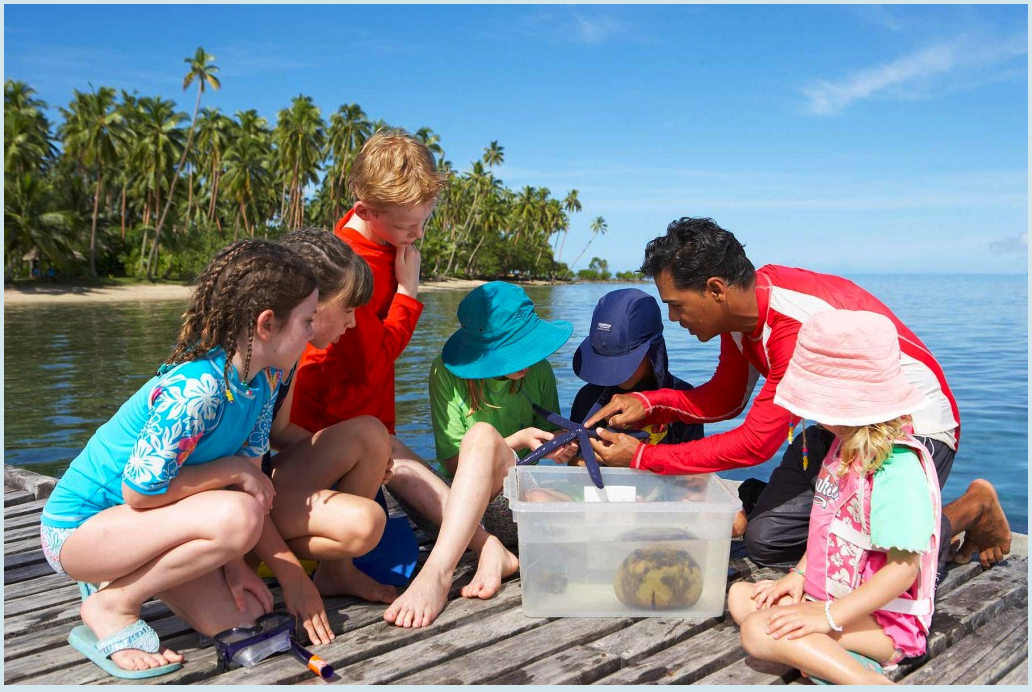
Rwanda is not a particularly family-friendly destination. It has no attraction that caters specifically to youngsters, and gorilla tracking, the most popular activity for adults, is off-limits to children aged less than 15. In addition, the threat of malaria might be deterrent for families with young children. Most children will enjoy a few days on...Read More